STORIES
STORIES
Why I Do This Work
Why I Do This Work
I’ve spent most of my career working on energy systems, but the reason I do this work runs deeper than engineering.
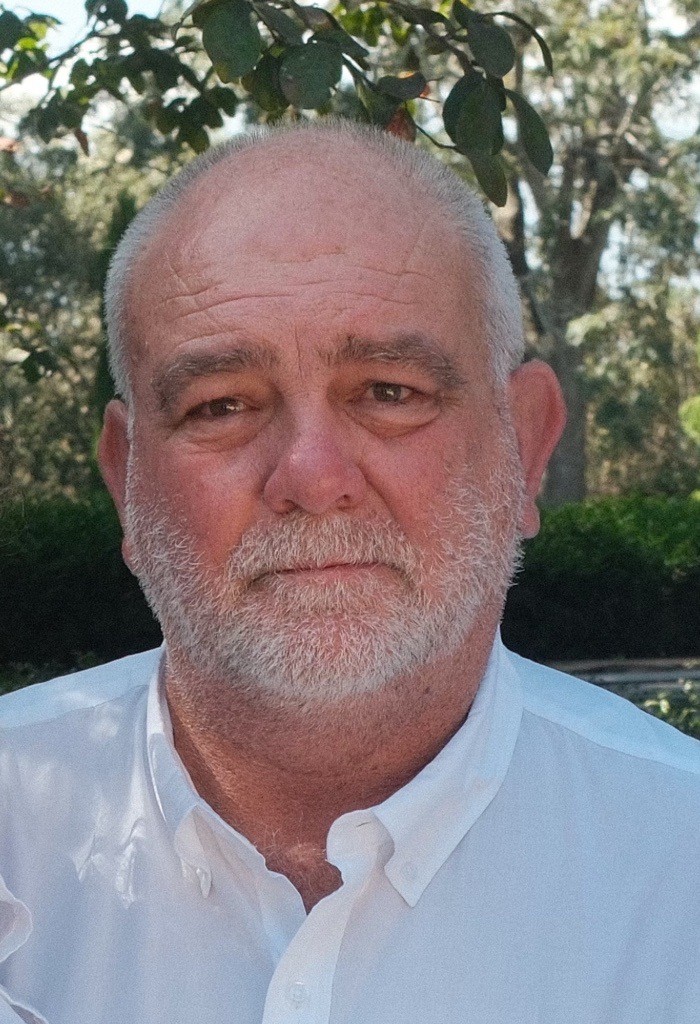
By John Martin
I’ve spent most of my career working on energy systems, but the reason I do this work runs deeper than engineering.
I’m a proud Wiradjuri man, born on Gomeroi Country. Growing up in Australia, you quickly learn that this is a land defined by its environment — its vast distances, its fragile water systems, and the deep connection many communities feel to the country we live in. Protecting that future isn’t just an environmental responsibility; it’s a cultural and generational one.
My first professional experience with energy efficiency and renewables dates back to the 1990s. Back then, solar was still finding its place in Australia. I started working in domestic solar systems — both photovoltaic and solar hot water — and from there moved into the early commercial solar sector as the industry began to grow.
Over the decades that followed, I’ve been fortunate to work across many industries: manufacturing, education, retail, hospitality, supermarkets, food processing and accommodation. The common thread in all of that work has been helping organisations reduce energy use, improve efficiency, and invest in technologies that make their operations more resilient.
What I’ve learned is that decarbonisation isn’t about one single solution. Every facility is different. Every business has its own pressures, budgets, and priorities. That’s why my approach has always been technology-agnostic — looking at the full picture before recommending a pathway forward.
Some of the projects I’m most proud of involve long-term transformation: developing multi-site degasification roadmaps, replacing gas boilers with heat pump technology, upgrading high-voltage infrastructure, and supporting the transition to natural refrigerants like CO₂ and R290. These are the kinds of changes that quietly reshape how facilities operate for decades to come.
But technical solutions alone aren’t enough. One of the most important parts of my role is helping sustainability teams navigate internal challenges — presenting projects, building business cases, and bringing leadership teams along on the journey. Real change only happens when people are aligned.
That belief also shapes what I do outside of work. I volunteer my time supporting young people in my community, facilitating programs around healthy relationships, consent education and harm minimisation for people aged 12 to 25. Mentorship matters, and I believe everyone has a responsibility to give something back.
At Decarbonise, I’m surrounded by people who share that same mindset: practical, honest, and focused on delivering real outcomes. Together, we’re helping organisations move beyond reporting and into action.
Because the work we do today isn’t just about energy systems or infrastructure.
It’s about making sure the next generation of Australians can look at the decisions we made — and know we did everything we could.
By John Martin
I’ve spent most of my career working on energy systems, but the reason I do this work runs deeper than engineering.
I’m a proud Wiradjuri man, born on Gomeroi Country. Growing up in Australia, you quickly learn that this is a land defined by its environment — its vast distances, its fragile water systems, and the deep connection many communities feel to the country we live in. Protecting that future isn’t just an environmental responsibility; it’s a cultural and generational one.
My first professional experience with energy efficiency and renewables dates back to the 1990s. Back then, solar was still finding its place in Australia. I started working in domestic solar systems — both photovoltaic and solar hot water — and from there moved into the early commercial solar sector as the industry began to grow.
Over the decades that followed, I’ve been fortunate to work across many industries: manufacturing, education, retail, hospitality, supermarkets, food processing and accommodation. The common thread in all of that work has been helping organisations reduce energy use, improve efficiency, and invest in technologies that make their operations more resilient.
What I’ve learned is that decarbonisation isn’t about one single solution. Every facility is different. Every business has its own pressures, budgets, and priorities. That’s why my approach has always been technology-agnostic — looking at the full picture before recommending a pathway forward.
Some of the projects I’m most proud of involve long-term transformation: developing multi-site degasification roadmaps, replacing gas boilers with heat pump technology, upgrading high-voltage infrastructure, and supporting the transition to natural refrigerants like CO₂ and R290. These are the kinds of changes that quietly reshape how facilities operate for decades to come.
But technical solutions alone aren’t enough. One of the most important parts of my role is helping sustainability teams navigate internal challenges — presenting projects, building business cases, and bringing leadership teams along on the journey. Real change only happens when people are aligned.
That belief also shapes what I do outside of work. I volunteer my time supporting young people in my community, facilitating programs around healthy relationships, consent education and harm minimisation for people aged 12 to 25. Mentorship matters, and I believe everyone has a responsibility to give something back.
At Decarbonise, I’m surrounded by people who share that same mindset: practical, honest, and focused on delivering real outcomes. Together, we’re helping organisations move beyond reporting and into action.
Because the work we do today isn’t just about energy systems or infrastructure.
It’s about making sure the next generation of Australians can look at the decisions we made — and know we did everything we could.
STORIES
STORIES